

I have a friend who would like to be retired.
Not when he’s old — that would be the obvious version.
His greatest aspiration is to walk slowly along the pier. To have a vermouth before lunch, actually tasting it. To play cards. To drink a couple of glasses of wine.
A rich man’s life, right?
Or a wise man’s life.
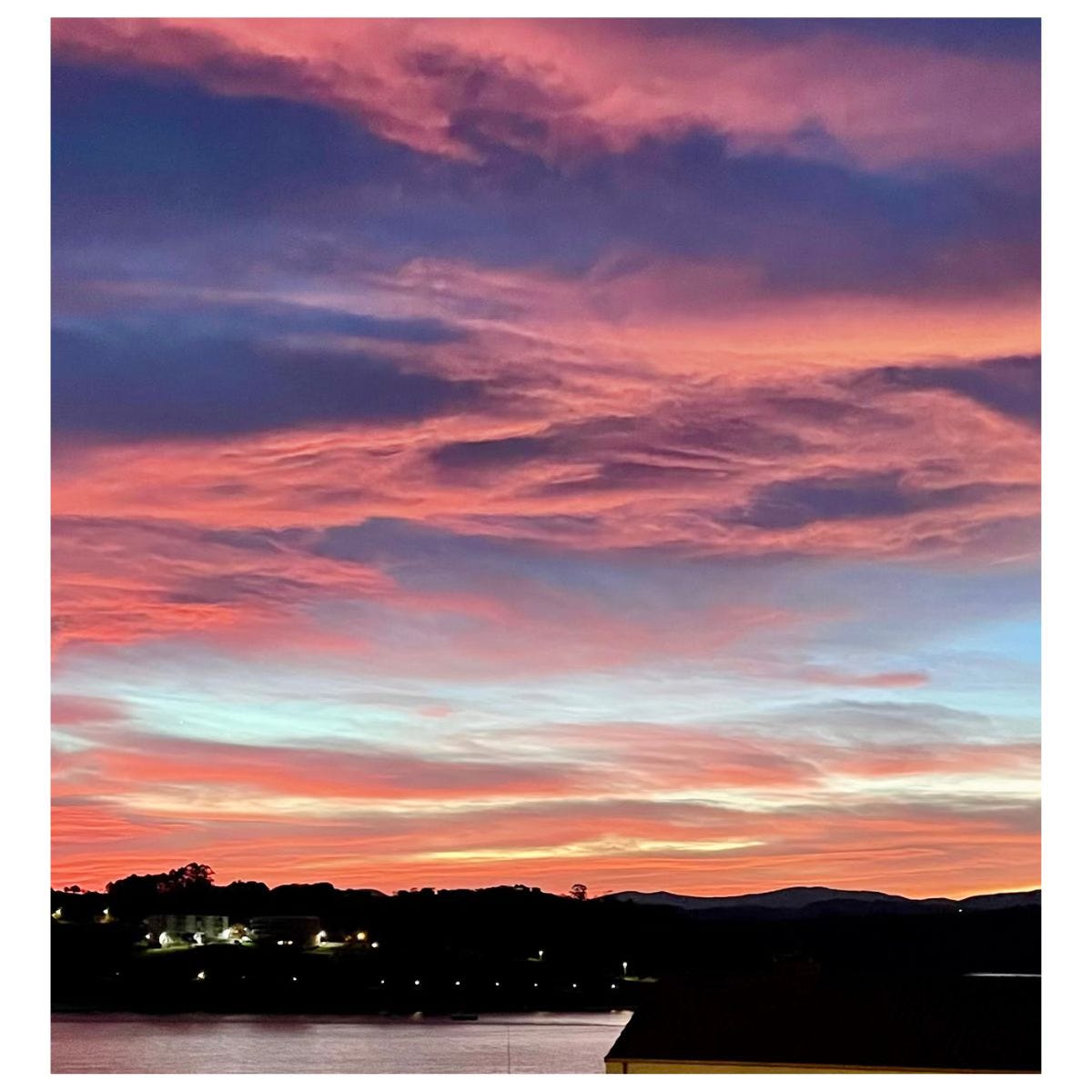
I live a rich life too. I’m 43. I wake up when my body decides it’s time. Sometimes, like today, at 5:40. Other days at 8. Other days… later.
I have access to something that is becoming increasingly scarce: time.
Time to think, to work on myself, to enjoy a large Italian coffee maker. Until 11:30, when I start scheduling.
And when I do, everything flows. No stress. Just focus. Presence. A quiet trace of humanity.
Sometimes I feel like a flâneuse of the 21st century. One of my favorite words. The kind that only exists in one language because only that language knew how to name it.
A flâneur is someone who wanders the city without an apparent destination. Or with the sole intention of getting lost. Time to observe, to stumble, to talk, to discover. Time even to be distracted.
The figure emerged in 19th-century Paris, right when the world started to accelerate. While everyone else was rushing forward, someone decided to stop. To look. To drift.
That not fully understanding the city was precisely what made him free.
We are now living through another revolution. An artificial one.
And the flâneurs are no longer us.
They are the algorithms.
They wander. Or rather, they parse.
In Spanish, it’s a one-letter shift: from pasear to parsear. From wandering to processing. And that single letter contains a whole universe.
They don’t get lost. They don’t get distracted. They don’t have a coffee ritual or a vermouth before lunch. They move through the digital city on our behalf with a precision the original flâneur never had — because the flâneur looked without fully understanding. And in that partial blindness, there was grace.
The algorithm understands everything.
And that is precisely why it discovers nothing.
It detects our hunger for visibility. The predictability of the predictable. The like as a currency of self-worth. It knows us — sometimes better than we know ourselves — and it uses that knowledge not to free us, but to retain us.
The original flâneur got lost in the city.
We get lost in the feed,
thinking we’re wandering.
And in the meantime,
the system is taking notes.
I’m not anti-system. That would be dishonest. I’m one of the system’s privileged. And I speak from that position.
Privilege dulls you. It makes a like feel more relevant than the kind of news that stains the front pages — the uncomfortable kind, the kind that actually demands something from you. It makes you confuse stimulus with meaning. Noise with life.
But privilege can also be used differently.
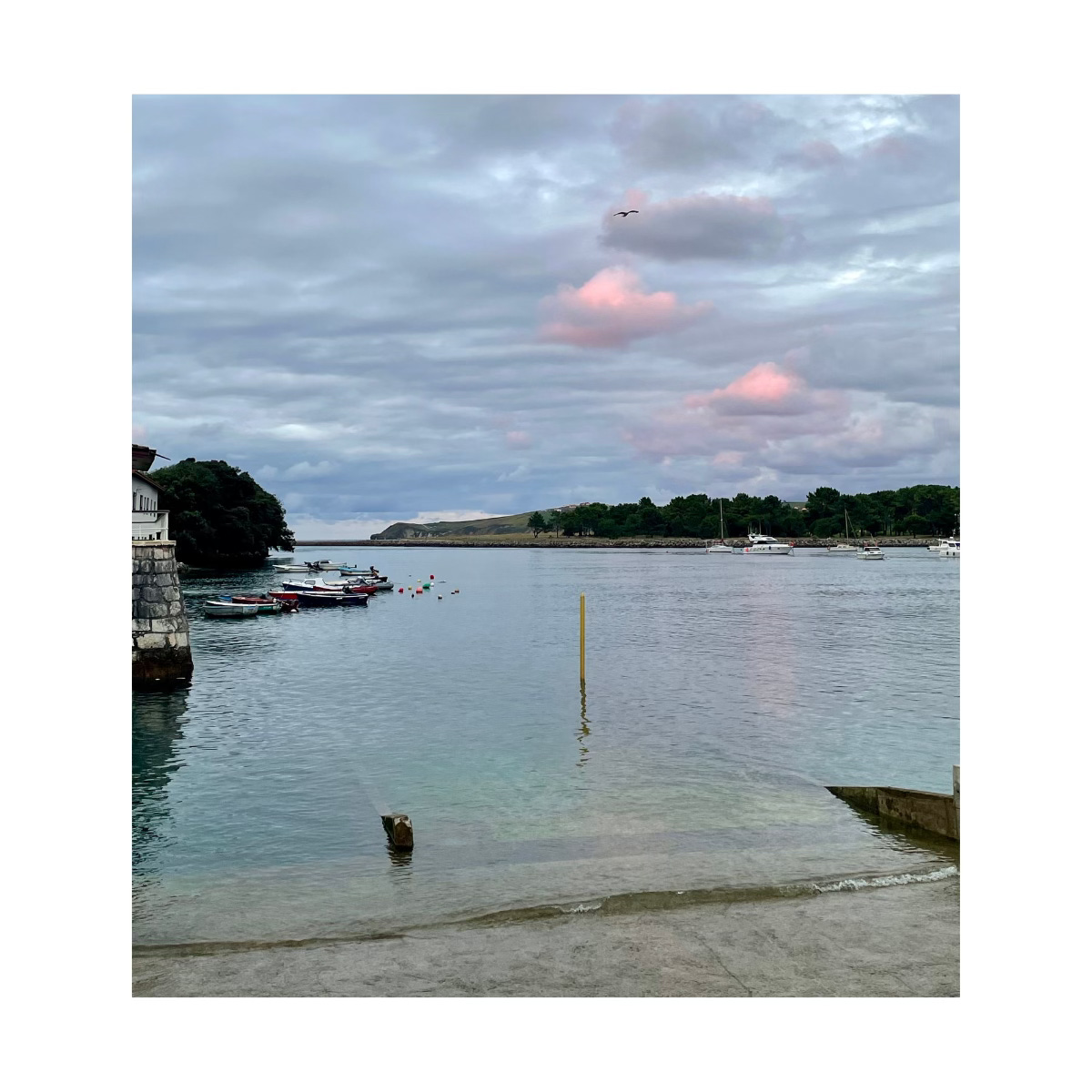
It can look like this: sitting on a bench by the pier, finishing a cigarette, watching the joy in my dog’s eyes, with that salty air that sticks to your skin.
And thinking.
About Las Musas, my studio, and the other Muses. The ones that tend to visit me in those moments of pure hedonism, of meditation, of introspection. Of well-used privilege.
My friend understands this.
He has clarity. Self-awareness. Enough perception not to need to impress anyone. He doesn’t want to transcend.
He wants life to transcend him. And from there, leave a mark.
Life used to be what happened between calls. Now it also happens in the space between prompts.
The question is not whether the system is watching us.
The question is whether we are still capable of watching ourselves.
Lines Aja
Brand Strategist & Verbal Identity Consultant — Las Musas®
cultooruido.com