


Everyone on LinkedIn is launching something this week. A rebrand. A newsletter. A framework. A course. A manifesto.
Launch culture has convinced an entire generation of founders that momentum is a synonym for strategy. It isn’t.
Momentum is what you borrow when you haven’t built anything you trust.
Fireworks are easy. The sky goes black in thirty seconds.
I didn’t launch Las Musas. I’ve been building it for three years, one decision at a time.
I chose the name first. Then yellow and black. That was the floor. Everything else came by sedimentation — an evolution along the way, a vocabulary that settled, a tone that stopped being a choice and became a signature.
Other brands tried to register similar names. That’s confirmation.
I could have had the book out last month.
Amazon was ready. One morning of uploads and it would have been live. I didn't. I want to register it at the library. In person. As a ritual, not a task. The digital route is more practical. It has less charm. I’m analog by wiring.
I took the first quarter's profit and put it into a design the book deserved. Into a short print run — the kind that is more artifact than book. There's only the logic of the thing itself.
None of these decisions look like branding from the outside. No campaign. No launch date. No announcement post. Just a series of quiet noes and slower yeses, accumulating into something that has a shape now.
A brand is not a project. It’s the sediment of every decision you made when nobody was watching.
Here’s what nobody tells you about building slow:
People start asking for things you don’t sell.
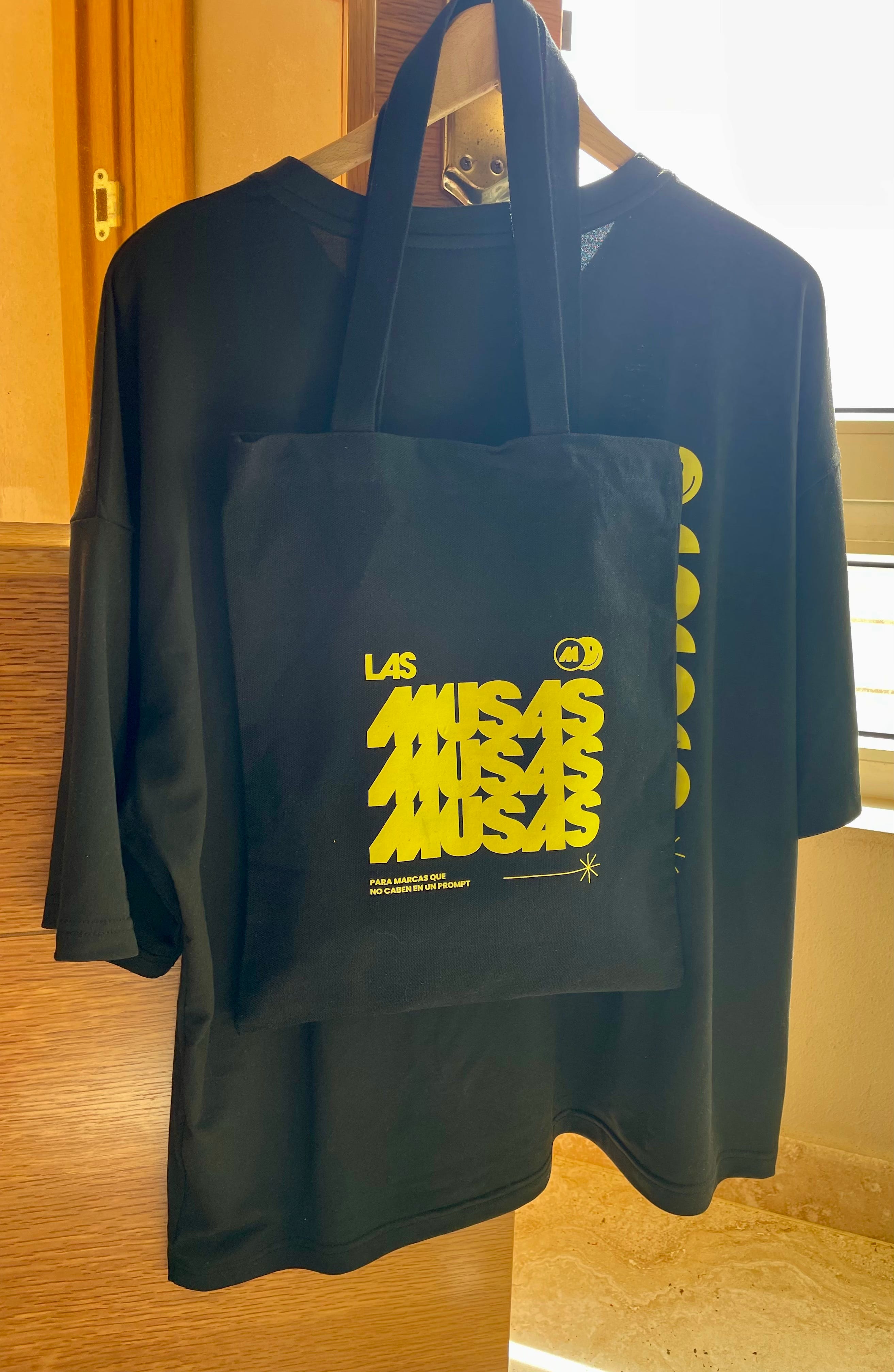
I don’t sell apparel. There’s no shop on the site. No merch section. The t-shirt, the tote bag, the pencil case — I made them because I wanted them to exist. Because the brand had a body by then and the body wanted objects.
One afternoon I posted a story on Instagram. Me wearing the T-shirt. Caption: you want one? earn it.
The requests came in for the rest of the day.
That’s the part the funnel can’t manufacture. Desire that arrives before the offer. You don’t engineer it with urgency. You get there by being the same thing, consistently, for long enough that people want to carry it.
Nobody asks to wear a brand they don’t recognize. Everybody wants to wear the one they do.
That’s not a merch strategy. That’s what happens when a brand becomes recognizable enough to wear.
Slow is not a tempo. It’s a posture.
It’s refusing to confuse visibility with recognition. It’s knowing the difference between being seen and being sought. It’s understanding that the brands people actually want to wear are the ones that weren’t built to be worn — they were built to be true.
Three years in. No launch. No campaign. No merchandise for sale. Just a small studio on the north coast of Spain, and a question people keep asking:
Where are you coming from?
That’s the only question worth building a brand around. And the only one you can’t answer with a prompt.
Lines Aja
Brand Strategist & Verbal Identity Consultant — Las Musas®
cultooruido.com