

There are phrases that have earned prestige they don’t deserve. And words that have been hollowed out to the bone.
One of them is honesty. Honesty — the kind that has become a commodity — is overrated. Honesty is not having no filters.
It is having filters, and choosing when to take them off. Knowingly. With intent. Owning the cost. Because truth, when it isn’t filtered, always carries a cost.
Taking your filters off without knowing what you are doing is recklessness. Taking them off without intent is an accident. Taking them off without owning what you produce is exhibitionism.
When you take them off and hold those three conditions, you are being honest. When you don’t, you are someone who has confused taking off the filter with taking off the responsibility.
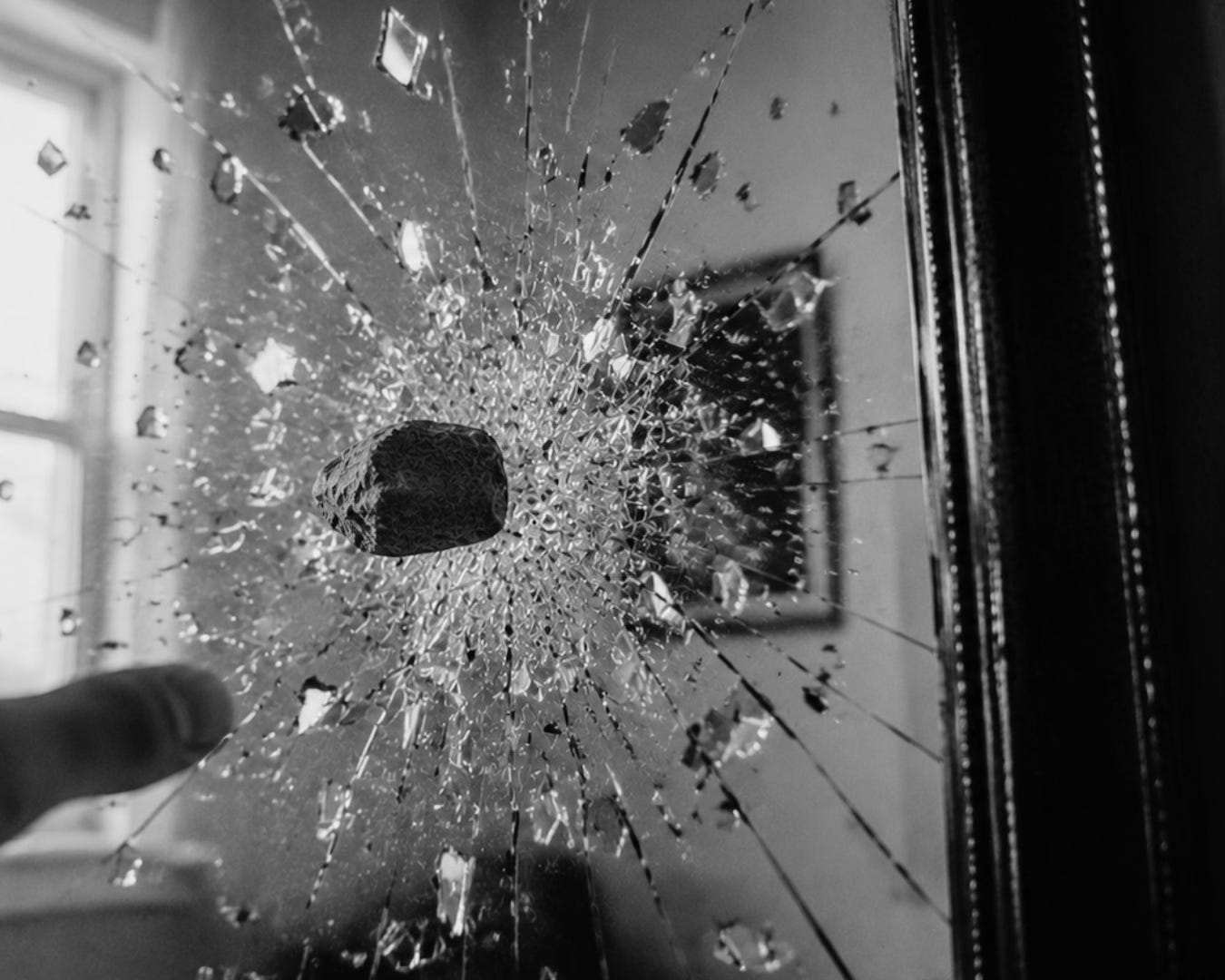
I’m just being direct — bad manners dressed up as urgency.
It’s just how I see it — the disclaimer that doesn’t make the impact hurt any less.
I'm telling you for your own good — control dressed up as generosity.
Three phrases. Three upgrades. The same move underneath: someone takes off the filter and lays a label of virtue on top, so they don’t have to pay for having taken it off.
Honesty leaves a taste.
Metallic.
Like blood about to come out of your nose — you sense it on the palate a few thousandths of a second earlier.
That thousandth is the condition. The moment when you know you are about to speak, and you know it will cost you something to say it. And you say it anyway.
The upgrade skips that thousandth. They speak before tasting. And that's why it tastes of nothing — they owned nothing.
The other day I was telling this to a client, with their team in the room.
It’s not the same to say uy, qué feo el niño — what an ugly kid — look at the snot and the lice running across his head. As it is to say míralo qué salao — look at this beautiful boy — pull a handkerchief out of your pocket, and give him a good splash of Nenuco.
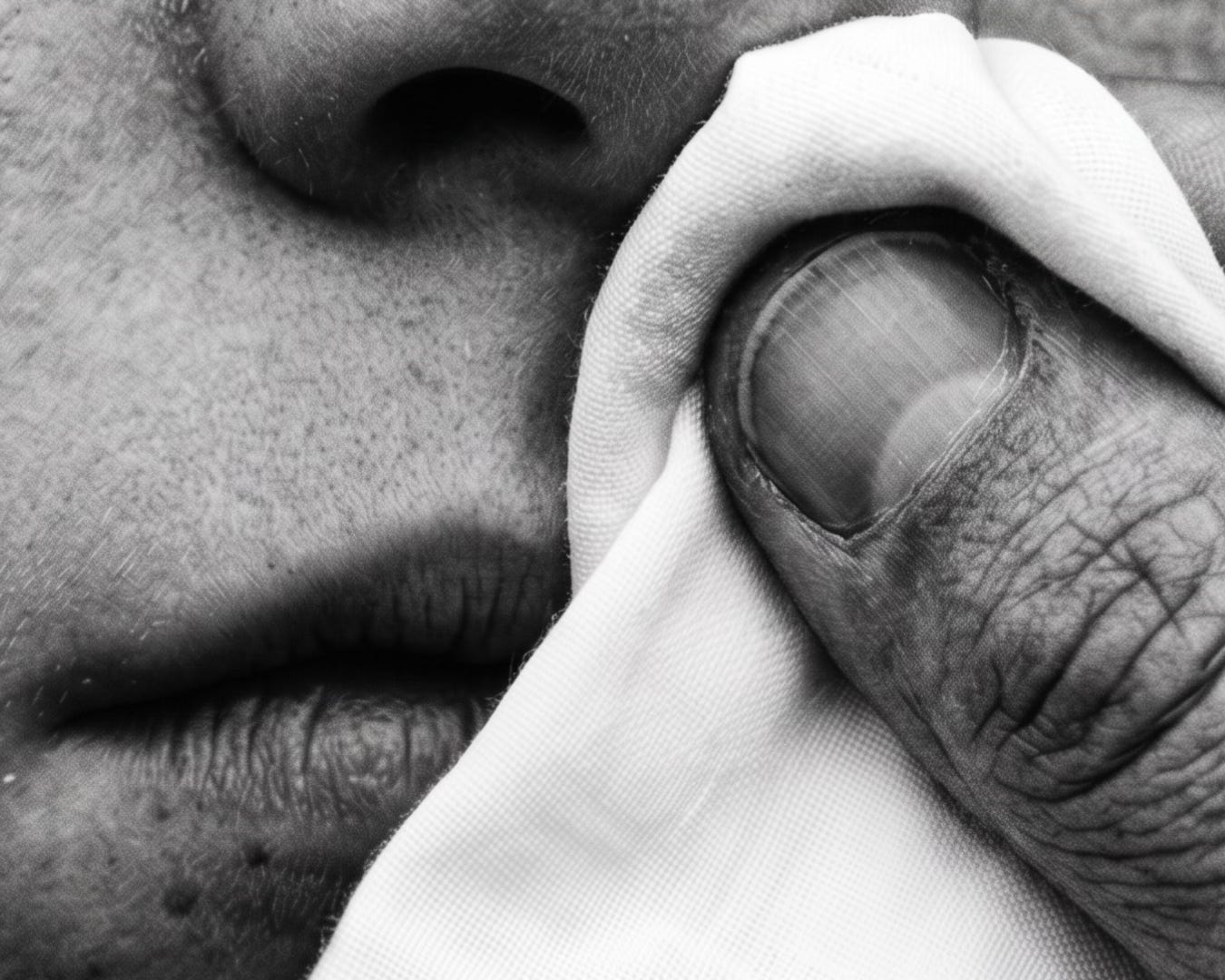
The snot is there in both cases. So are the lice. What changes isn’t the observation. It’s what’s done with it.
The first one takes off the filter and leaves. Leaves the child with the snot, the mother with her face undone, and himself with the warm feeling of having spoken the truth. Cashes in on self-perception.
The second one takes off the filter and stays. Sees the snot, names it without naming it, brings the handkerchief. Doesn’t soften the fact — handles it. That is the difference.
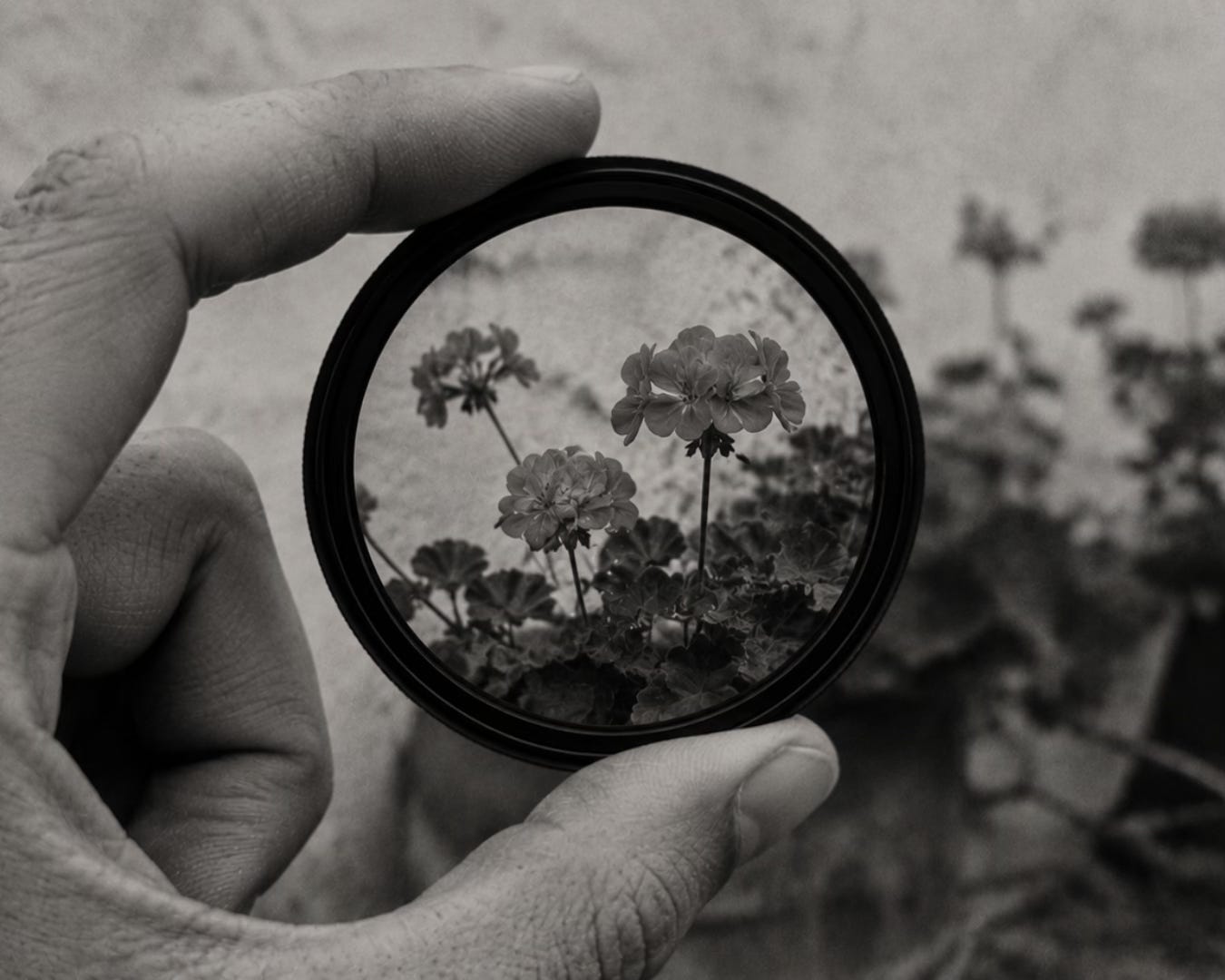
It’s not the same to be Attila and raze the earth, as it is to pull the weeds and leave compost behind so geraniums can grow.
Attila doesn’t lie. What he says is true: this field is full of weeds. But after Attila, nothing grows. The earth is scorched, and he walks on to the next field with his honesty intact.
The one who pulls with precision also sees the weeds. Names them. Removes them. But leaves the ground in condition for something different to grow. Assumes the work doesn’t end at pointing out the problem — it begins there.
That is the work.
This applies to business. It applies to professional relationships. And it applies to life.
What has been sold as honesty without filters is, most of the time, something else.
It’s hate with an upgrade.
It’s aggression that has put on the suit of a virtue. It’s the one who arrives, says what they see, doesn’t stay to clean up, and walks off with the warm feeling of having been brave.
Bravery costs. Honesty costs. If it doesn’t cost you anything to say it, you are probably not being honest.
You’re cashing in on self-perception. And someone else pays the cost.
That thing about silence as the assumption of duty — that, we’ll leave for another essay.
Lines Aja
Brand Strategist & Verbal Identity Consultant — Las Musas
cultooruido.com