

I crashed a party last night.
Not the fun kind. The kind where Joe Burns gives a masterclass live from New York — with a stopover at my place, because I’m scattered but I don’t miss an opportunity, not a chance.
I tried to arrive on time.
Swiss clock. British punctuality. Turns out I don’t own a watch, and the browser had other plans. So I walked in just late enough to miss the intro.
One more cigarette for the chest. What can you do.
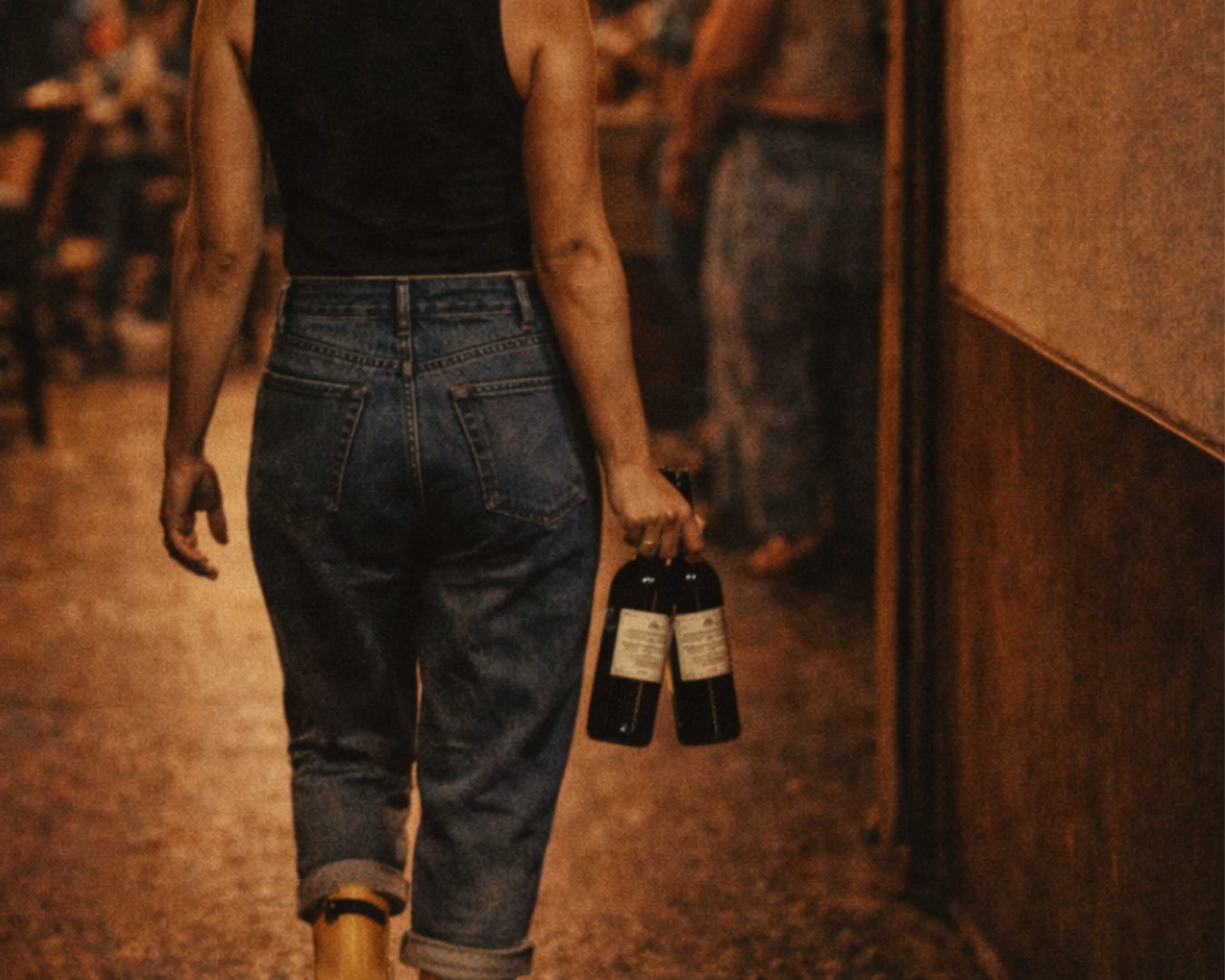
I usually show up to parties with a couple of bottles of Ribera wine and a tray of Iberian Ham. Last night it was just me and a bad browser. Still got in.
There he was. Every slide, I was nodding. Smiling. Not because I’m Joe — I’m a small-town girl with too many grey hairs to pretend to be someone I’m not.
But in the basics, yes. I’m on his team. From day one. More inside every day.
Before you keep reading… if you think this is just what Burns said — yes and no. I’d run out of ink before Joe runs out of ideas.
It is what his thinking does to mine.
Strategy is a game. A serious one. Played on a table. And yes. Most people want to play it as chess.
But here’s the problem: they’re not just playing the wrong game. They’re venerating the wrong piece.
The king. The one who moves one square at a time. The one whose entire strategy, when threatened, is to hide behind someone else’s structure and call it protection. The one the whole board exists to defend. The one who castles.
This has been on my mind for a while.
Most brands are kings. Most strategies are built to protect kings.
The queen moves in every direction. No one tells her where. She doesn’t wait for the board to make sense — she makes the board make sense around her.
Yes, I know the queen doesn’t jump. But some queens are learning to ride anyway.
The interesting work happens when the client is willing to be the queen — which means accepting that you can’t predict every move. That some squares will cost you. That the algorithm is not the board. The market is not the board. The board is the decision about who you are before anyone is watching.
Your lens is the antidote. Not a niche. Not a category. A way of seeing that nobody else has — because nobody else is you.
Joe calls it auteur culture. I call it knowing which piece you are.
Joe talked about feedback. About the culture of validation. Everyone optimizing for the nod in the room. The like. The “this is great” from someone who hasn’t thought about it for more than thirty seconds.
I have a line I keep coming back to. I repeat to people who know me.
Cheap praise is slow poison.
You don’t feel it immediately. It feels like fuel. But it’s not — it’s sedative. It makes you softer in exactly the places you need to stay sharp. It teaches you to make things that get approved instead of things that matter.
And the worst part? It works. In the short term, it always works.
So what’s the antidote?
Disapproval. Or at least, the willingness to survive it.
Not the performative kind. Not the “I don’t care what anyone thinks” that is really just approval-seeking in a leather jacket. The real kind. The quiet kind. The kind where you make the thing you know is right and you sit with the silence after.
That’s where authorship lives. Not in the applause. In the tolerance for its absence.
Not armor. Not indifference. More like a raincoat.
You feel the rain. You’re not pretending it’s not raining. You just don’t let it soak through.

Which brings me back to the question that stayed floating after the call.
Do we need to educate clients to tolerate disapproval — or ourselves to survive being buried by the algorithm before the market catches up?
Maybe both. Maybe neither. Maybe the raincoat is the answer and nobody wants to hear that.
And what costs more? getting the client to hold, or getting the market to catch up?
My reading: the market doesn’t catch up. It filters. And clients don’t need education. They need conditions strong enough not to fold. The cost isn’t time. It’s who breaks first in the silence that follows a right decision.
What’s yours?
And of course, Mr Burns if you are in the room… mi casa, tu casa.
Lines Aja
Brand Strategist & Verbal Identity Consultant — Las Musas®
cultooruido.com